
Lifting & Rigging
Lifting slings, shackles, hoists, wire rope, chain and rigging hardware with rated working load limits.
 Chain Slings4 types · 16 products
 Scissor Lift Tires7 products
 Cribbing Blocks1 type · 9 products
 Crosby® Products4 types · 15 products
 Ground Protection Mats1 type · 26 products
 Lifting Beams and Spreader Bars8 products
 Outrigger Pads17 products
 Ratchet Turnbuckles1 type · 18 products
 Rigging Hardware74 products
 Security Solutions19 products
 Shackles17 products
 Slings1 type · 76 products
 Snatch Block17 products
 Forklift Lifting Attachments5 products
 Warehouse Safety Equipment52 products
-
Cribbing Block And Wheel Chock, 2Pc Base Plate, 12Pc Stacker And 2Pc Medium Wheel Chock
$2,789.99 -
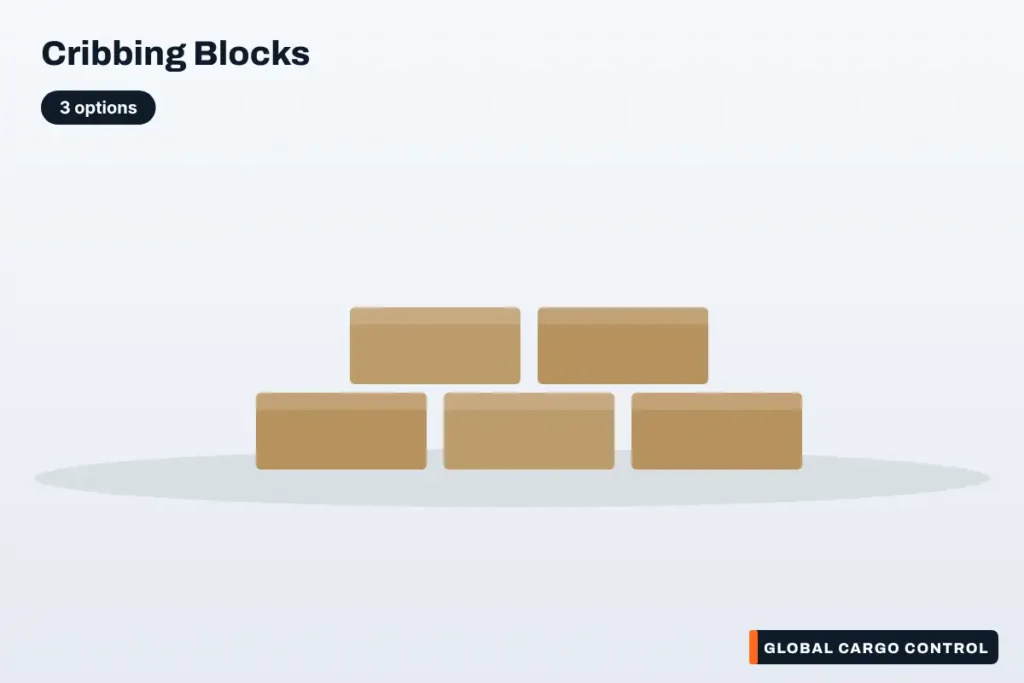
Cribbing Block And Wheel Chock, Base Plate, Stacker And Wheel Chock
From $2,743.49 -
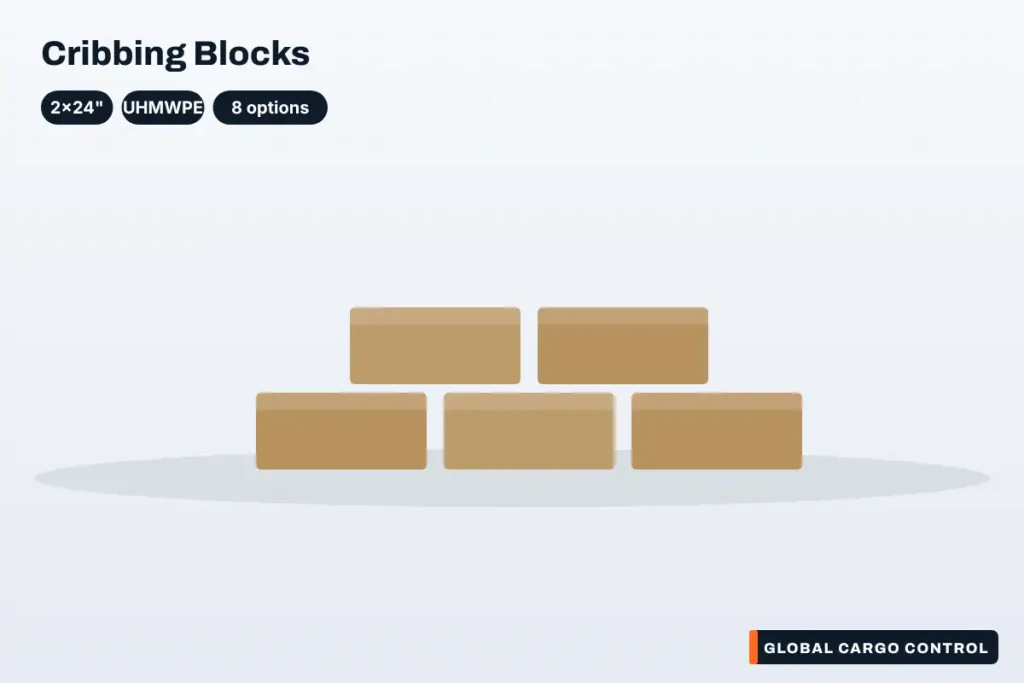
Cribbing Block Kit – 2″ x 24″ x 24″ Base Plate And 6″ x 7″ x 24″ Stacker – High Density Polymer Material
From $836.99 -

Cribbing Block Kit – 2Pcs 2″ x 18″ x 18″ Bottom Plate and 3Pcs 4″ x 4″ x 18″ Stacker – High Density Polymer Material
$362.49 -
Cribbing Block Kit – 2Pcs 2″ x 18″ x 18″ Bottom Plate and 6Pcs 4″ x 4″ x 18″ Stacker – High Density Polymer Material
$603.99 -

Cribbing Block Kit – 2Pcs 2″ x 18″ x 18″ Bottom Plate and 9Pcs 4″ x 4″ x 18″ Stacker – High Density Polymer Material
$840.49 -
Cribbing Block Kit – 2Pcs 2″ x 24″ x 24″ Base Plate And 15Pcs 6″ x 7″ x 24″Stacker – High Density Polymer Material
$3,347.99 -
Cribbing Block Kit – 2Pcs 2″ x 24″ x 24″ Base Plate And 18Pcs 6″ x 7″ x 24″Stacker – High Density Polymer Material
$3,905.99 -

Cribbing Block Kit – 2Pcs 2″ x 24″ x 24″ Base Plate And 21Pcs 6″ x 7″ x 24″Stacker – High Density Polymer Material
$4,463.99 -

Cribbing Block Kit – 2Pcs 2″ x 24″ x 24″ Base Plate And 24Pcs 6″ x 7″ x 24″Stacker – High Density Polymer Material
$5,021.99 -
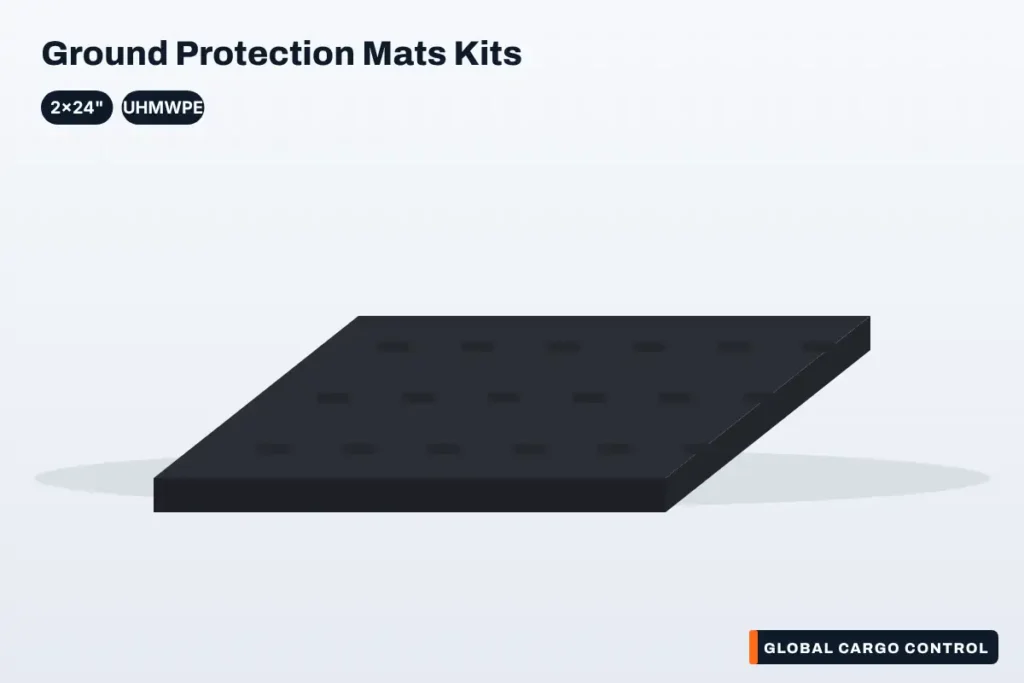
Cribbing Block Kit – 2Pcs 2″ x 24″ x 24″ Base Plate And 3Pcs 6″ x 7″ x 24″ Stacker – High Density Polymer Material
$836.99 -

Cribbing Block Kit – 2Pcs 2″ x 24″ x 24″ Base Plate And 6Pcs 6″ x 7″ x 24″ Stacker – High Density Polymer Material
$1,441.49 -

Cribbing Block Kit – 2Pcs 2″ x 24″ x 24″ Base Plate And 9Pcs 6″ x 7″ x 24″ Stacker – High Density Polymer Material
$2,045.99 -

Cribbing Block Stacker – Black
$53.79 -

Cribbing Block w/ Comfortable Rope Handles
$144.99 -

Cribbing Block with Comfortable Rope Handles
$89.99 -

Crosby 1/4 in Forged Wire Rope Clip – G-450, 1010051, Red U-Bolt
$8.09 -
Crosby 2 Ton Alloy Steel Eye Hook with Safety Latch – 1022402, L-320AN
$43.25 -

Crosby 3 Ton Alloy Steel Eye Hook with Safety Latch – 1022413, L-320AN
$49.29 -
Crosby 3/8 in Forged Wire Rope Clip – G-450, 1010097, Red U-Bolt
$9.96 -
Crosby 5 Ton Alloy Steel Eye Hook with Safety Latch – 1022424, L-320N/L320
$92.40 -

Crosby 5/16 in Forged Wire Rope Clip – G-450, 1010079, Red U-Bolt
$8.49 -
Crosby 7/16 in – 1/2 in Forged Wire Rope Clip – G-450, 1010131, Red U-Bolt
$14.29 -
Crosby A-342W G100 Alloy Oblong Master Links
From $45.59
About Lifting & Rigging
Lifting and rigging gear moves loads that can seriously hurt people if anything fails, so every choice starts with the working load limit (WLL): the maximum load a sling, shackle or hoist is rated to lift in normal service. This section groups polyester and round slings, chain and wire rope slings, shackles, hooks, hoists, pulling tools and rigging hardware so you can match the right rated component to the lift, the hitch type and the environment, then compare every size and price side by side.
- Synthetic web and round slings, chain and wire rope slings
- Shackles, hooks, eye bolts, turnbuckles and hardware
- Hoists, come-alongs and pulling equipment
- Working load limits listed for every size
Compare lifting & rigging at a glance
| Product | Price (USD) | Key spec | Options |
|---|---|---|---|
| Malleable Wire Rope Clips | $0.24 – $0.69 | — | 2 |
| Round Sling 13200# Vertical 10600 # Choker 26400 # Basket – Red | $15.39 | Vertical Style Rated Capacity: 13,200 lbs | 1 |
| Snatch Block w/ Shackle and Chain Anchor | $30.99 | — | 1 |
| Security Hardened Square Link Chain w/ Cordura Cover & Anti-Cut Lock Carrying Case | $59.99 – $77.49 | — | 2 |
| Container Chain Bridle Replacement HOOK with 3/8″ G100 Heavy-Duty Hammerlock Safety Chain Connector Coupling Link | $112.99 | — | 1 |
| 5/16″–3/8″ Ratchet Binder w/ Folding Handle & 5/16″ x 20′ Grade 70 Binder Chain Kit | $218.49 | Size: 5/16" x 20' (4,700# WLL) | 1 |
| Ratchets Turnbuckle Eye-Eye, 42K WLL | $399.99 | Working Load Limit (WLL): 42,000 lbs | 1 |
| Cribbing Block Kit – 2Pcs 2″ x 24″ x 24″ Base Plate And 3Pcs 6″ x 7″ x 24″ Stacker – High Density Polymer Material | $836.99 | Material: UHMWPE | 1 |
What you will find here
This section lists 481 lifting & rigging across 15 sub-categories (Chain Slings, Scissor Lift Tires, Cribbing Blocks, Crosby® Products, Ground Protection Mats, Lifting Beams and Spreader Bars, Outrigger Pads, Ratchet Turnbuckles). Prices currently range from $0.24 to $10,660.99 in US dollars, and every product page shows the complete table of sizes and options so you can compare without clicking through each listing.
Common uses
Buyers use lifting & rigging for crane, hoist and rigging work, construction, industrial and shop rigging and pulling, positioning and load handling. Never exceed the rated working load limit for your hitch type and sling angle, and inspect gear before every lift.
How to choose lifting & rigging
Start with the load weight, then choose a sling whose rated capacity for your hitch (vertical, choker or basket) exceeds it. Allow for sling angle and pick a length that keeps the angle above 60° where possible.
Working load limits in this section run from 0.50 Ton to 8,800 lbs – 15,200 lbs. Use the working load limit — never the breaking strength — when you plan a load.
Three steps to the right choice
- Match capacity to the lift. Choose gear whose WLL exceeds the load in the hitch you will use.
- Mind the angle. Sling angles under 60° raise leg tension sharply; use the capacity chart for your angle.
- Inspect every time. Retire gear with cuts, heat damage, stretched links, distorted hooks or missing tags.
Materials compared
- Steel (82 products) — Steel offers high strength and abrasion resistance; check the finish for rust protection.
- High-Density Polyethylene (HDPE) (44 products) — High-density polyethylene is tough, light and does not rot or absorb water.
- Polyester (39 products) — Polyester webbing has low stretch, holds tension well and resists UV and moisture — the standard for tie-down and lifting straps.
- Alloy Steel (36 products) — Heat-treated alloy steel gives high strength for its size and is the material used for rated lifting chain and hardware.
- UHMWPE (23 products) — High-density polyethylene is tough, light and does not rot or absorb water.
Specifications to compare
- Surface finish — the coating that protects the metal. Galvanized and zinc finishes resist rust; powder coat adds a tough painted layer.
- Working load limit (WLL) — the maximum load the item is rated to carry in normal service. For cargo securement, the WLLs of all tie-downs on a load must add up to at least half the cargo weight (FMCSA 49 CFR 393.106).
- Safety factor — the ratio between breaking strength and working load limit (for example 3:1 or 5:1). A higher factor means more margin for shock loading and wear.
- Breaking strength — the force at which the item fails in testing. It is not a working rating — always plan with the WLL, which is set well below breaking strength.
Before you buy
- Know the load weight and the hitch you will use.
- Check the rated capacity for that hitch and the sling angle.
- Confirm fittings and pin sizes are compatible with your rigging.
Price guide
Starting prices in this section break down as follows: 105 products under $25; 123 products $25 to $100; 155 products $100 to $500; 98 products over $500. 476 of 481 products currently have at least one option in stock at the retailer. Larger sizes, higher ratings and multi-packs cost more, so open the option table on each product to see exactly how the price changes.
Safety and care
- Inspect slings before every lift; remove any with cuts, burns, broken stitching or a missing tag.
- Protect slings from sharp edges with wear pads or corner protectors.
- Never stand under a suspended load.
Brands in this section
Crosby (65), B/A Products (12), Durabilt (8), Mytee (1).
Products to compare
- Malleable Wire Rope Clips — from $0.24
- Round Sling 13200# Vertical 10600 # Choker 26400 # Basket – Red — from $15.39; Vertical Style Rated Capacity: 13,200 lbs
- Snatch Block w/ Shackle and Chain Anchor — from $30.99
- Security Hardened Square Link Chain w/ Cordura Cover & Anti-Cut Lock Carrying Case — from $59.99
- Container Chain Bridle Replacement HOOK with 3/8″ G100 Heavy-Duty Hammerlock Safety Chain Connector Coupling Link — from $112.99
- 5/16″–3/8″ Ratchet Binder w/ Folding Handle & 5/16″ x 20′ Grade 70 Binder Chain Kit — from $218.49; Steel
- Ratchets Turnbuckle Eye-Eye, 42K WLL — from $399.99; Working Load Limit (WLL): 42,000 lbs
- Cribbing Block Kit – 2Pcs 2″ x 24″ x 24″ Base Plate And 3Pcs 6″ x 7″ x 24″ Stacker – High Density Polymer Material — from $836.99; UHMWPE
Buying through Global Cargo Control
We are a catalogue and buying guide. Each product links to the retailer that sells and ships it; you choose your exact option and check out on their site. Prices are checked weekly, and the price at the retailer’s checkout is final.
Lifting & Rigging FAQ
What does WLL mean on rigging gear?
Working load limit is the maximum load the item is rated to handle in normal service, set well below its breaking strength by a design factor (often 5:1 for slings and shackles).
Polyester sling or chain sling?
Synthetic slings are light and protect finished surfaces; alloy (Grade 80/100) chain slings handle heat, abrasion and rough loads and last longer in harsh conditions.
Does the sling angle matter?
Yes. As the angle between the sling leg and the load gets smaller, the tension in each leg rises. At 30° each leg sees double the load, so always use the rated capacity for your angle.
When should a sling be retired?
Retire it if the tag is missing or unreadable, or if there are cuts, burns, broken stitching, crushed or kinked sections, chemical damage or stretched hardware.
Affiliate disclosure: Global Cargo Control is a product guide. Products are sold and shipped by the retailer we link to, and we may earn a commission when you buy through our links — at no extra cost to you. Prices are shown in US dollars and may change; the final price is the one shown at checkout on the retailer's site. Learn more